.avif)


Anyone can build an app in a weekend. A circuit board still needs a specialist.
There is no shortage of people who want to build hardware. Arduino alone has more than 33 million active users, and millions more prototype devices and pay contractors to design boards for them. There is a shortage of people who can do the design work: Deloitte estimates the semiconductor industry alone will need more than a million additional skilled workers by 2030.
AI has made software something almost anyone can build. Tools like Lovable turn a description into a working app. Hardware has had no equivalent, and as AI speeds up the rest of product development, board design becomes the bottleneck.
siliXon turns a plain-text prompt into a board you can manufacture
A user describes what they want to build. siliXon picks the components, draws the schematic and lays out the board. In the background it runs circuit simulation and design rule checks, renders the board in 3D and exports the industry-standard Gerber files a manufacturer needs. A built-in guide, Rocky, tells first-time users what to do next.
Designing is free. Users pay when they export a board for manufacture. Every design also trains siliXon's own PCB-specific models, so the product improves with each board its users make.
siliXon opened its beta at the end of July. Since then it has reached more than 2,000 users with a 31% return rate.
siliXon has raised a pre-seed round of more than $1.5M from System One, Helloworld VC, Tiny VC and Antler.
An electronics engineer from the chip-design industry and an AI engineer make the perfect pair
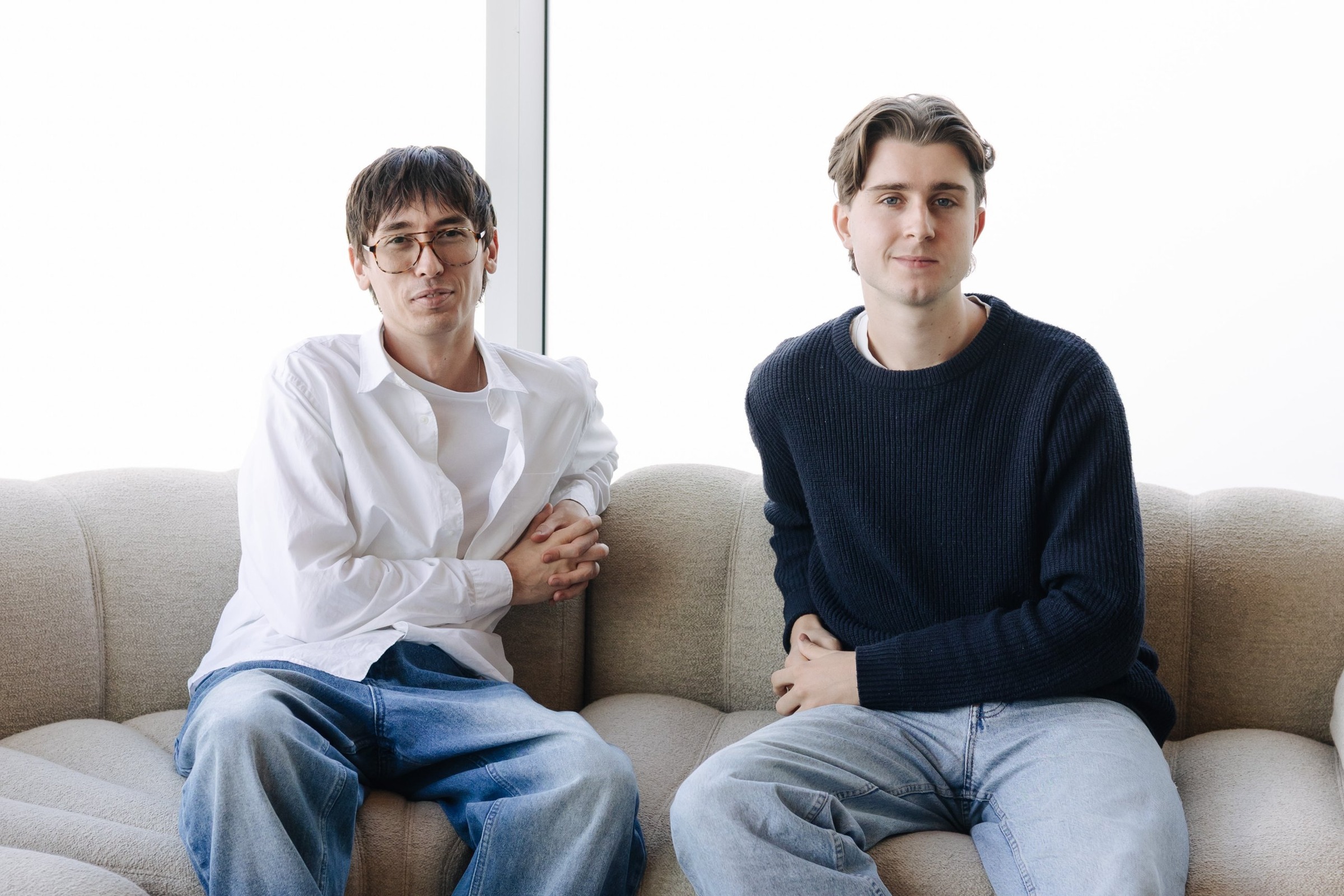
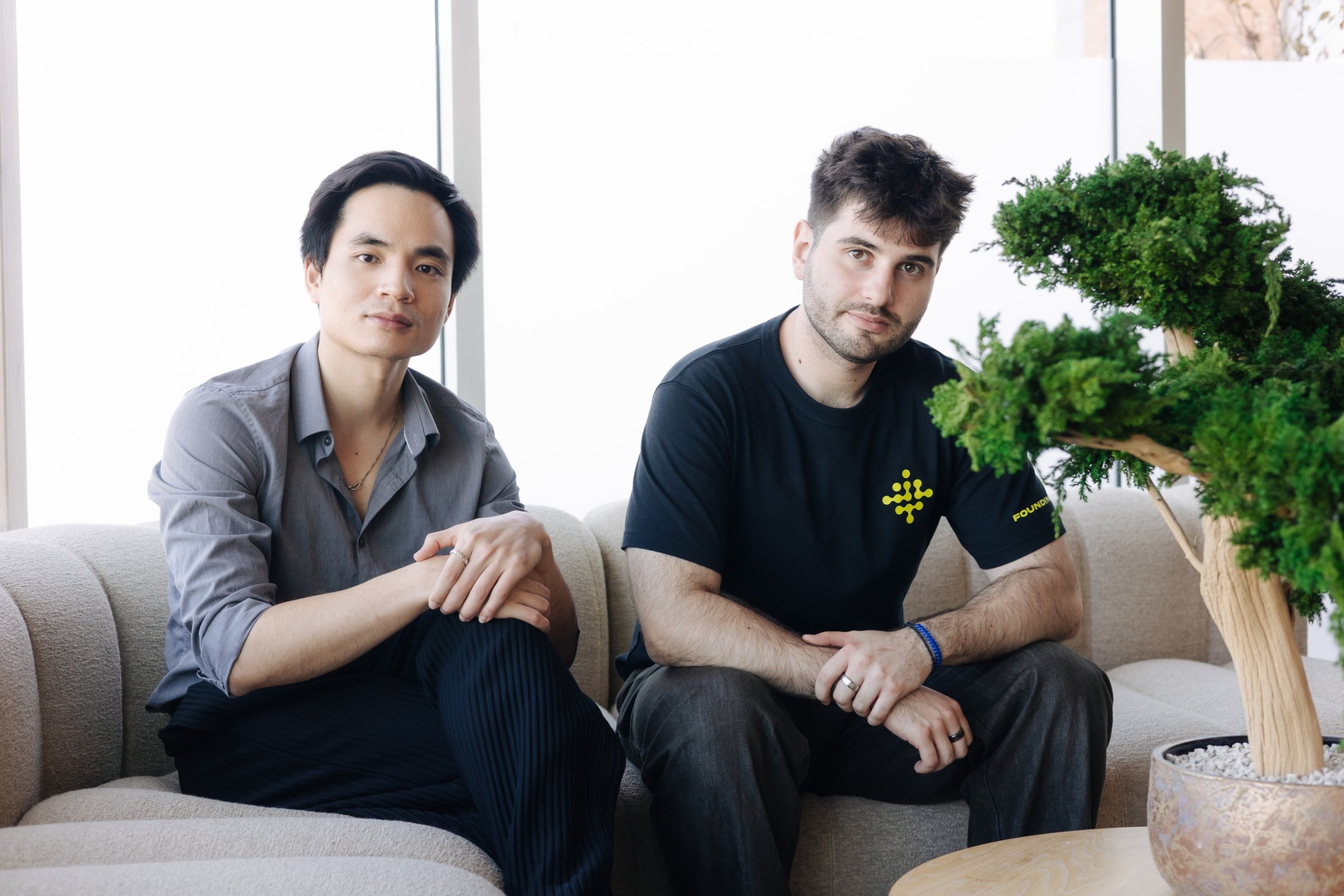
Mihai Mesteru (CEO) is an electronic engineer. He studied engineering at Trinity College Dublin, with a research placement at the University of Tokyo, and worked as an R&D engineer at Cadence Design Systems, which makes the software professional chip and board designers use. He has published research on superconductivity. He started siliXon after finding the professional tools he used in his own research close to unusable for anyone without years of training.
Bach Nguyen (CTO) is an AI engineer with an MPhil from the University of Cambridge, where he was a Lord Frederick Cavendish Scholar. He has worked at Microsoft, and at SilverRail he led the research, development and deployment of AI systems for its unified platform services.
They met through a Cambridge scholarship programme. Mihai knows what a manufacturable board needs, and Bach builds the AI systems that produce one.
Why we invested: they followed their users to a bigger market
When we first met Mihai in January, siliXon was a B2B tool for engineers at small and medium-sized businesses, sold with hands-on support. By March, more than half of its beta users were hobbyists and makers, and the team followed them. Makers produce design volume, which trains the models, and they share what they build, which brings in the next users. SMEs and enterprise engineering teams come once the product has learned from thousands of boards.
They had applied to our residency, but by the time we got to know them a pre-seed round was already forming, and in March we decided to join it.
Since then they have shipped background simulation, launched the open beta, hired a full-time go-to-market lead, passed a million in content reach and started shipping four-layer boards.
At Antler, we back exceptional founders from day zero. We're proud to partner with Mihai and Bach as they open up hardware design to anyone with an idea.

ANTLER RESIDENCY —LAUNCH YOUR STARTUP
Antler backs exceptional founders to go further, faster.