

Capturing a building is now cheap. Understanding one is not.
That gap is expensive. In UK commercial property insurance alone, insurers paid out a record £6.1bn in claims in 2025, and 72% of insurers report claims disruption from labour shortages. A single £1–5m fire claim can take 55–100 adjuster hours over three to four months, with hundreds of phone photos and repeat site visits.
The same pattern repeats inside industrial operations. Before a contractor can carry out a high-risk job on a factory floor, someone has to survey the site and write a risk assessment and method statement (RAMS) by hand. For a single task, that can take days.
Capture has been solved. The index, a structured, searchable understanding of what is actually in a physical space, has not.
Plenex turns a site walkthrough into a database you can query
Plenex takes video or LiDAR captures of a physical site and rebuilds it in 3D using Gaussian splatting, a recent technique that produces photorealistic, measurable scenes from ordinary footage. On top of that reconstruction it builds a structured index. Every asset, surface and hazard is located and can be queried in plain language by people, by software, by AI agents and, in time, by robots.
Capture is sensor-agnostic: phone footage where speed matters, handheld LiDAR with roughly 1cm accuracy where precision does. The customer never has to buy specialist equipment to operate the platform.
The first product built on the index is site reporting. Plenex links what it finds on site to each customer's own policies and controls, then generates the documents operators need. In a pilot with a large confectionery manufacturer, producing a high-risk RAMS fell from two days to 12 minutes. Plenex sells on an annual subscription per site.
Strong founder-market fit: a frontier computer-vision engineer paired with a proven growth builder
Dr Soon Yau Cheong (CTO) has spent his career at the frontier of computer vision and generative AI. He holds a PhD in the field and has worked at NVIDIA and Samsung. He was a founding engineer at Calipsa, the video analytics company acquired by Motorola Solutions in 2022. He also wrote Hands-On Image Generation with TensorFlow 2.0.
Lewis Fail (CEO) builds commercial engines in markets where trust and relationships decide who wins. He cold-emailed his way into Flagstone and went from intern to leading its SME growth squad. At Allica Bank he built the growth function, including an accountancy-firm acquisition channel, and scaled it to a team of 15 as Allica became one of the UK's fastest-growing companies. Most recently he led growth at Cosysense.
Soon owns a reconstruction and indexing pipeline that would take most teams years to assemble. Lewis owns the route to the operators, insurers and facilities teams who will pay for it.
Why we invested: the technology is universally applicable but the wedge is narrow
Three shifts make this the moment for a physical index. The cost of capture has collapsed. Gaussian splatting has made photorealistic reconstruction from commodity footage practical. And incumbents are paying up for spatial data: CoStar bought Matterport for $1.6bn in 2025, and Moody's acquired Cape Analytics the same year. What is still missing is the layer that makes those captures useful.
What convinced us was how the team handled focus. Early in the residency, Plenex could have been sold to almost any building on earth. Within weeks they had built a bottom-up case for a single starting market. After our investment committee, they did the harder work: they set deadlines on each customer segment and moved from a laptop demo to a deployable product.
They have tested insurance loss adjustment, data centres, facilities management and manufacturing in the field, including shadowing adjusters on live claims. As Soon put it to us: "The core technology is always the same. It is the wrapper around the application that is different, and that can be changed very quickly." Each deployment adds to the same index, whatever the vertical.
Enterprise buyers move slowly, security requirements are demanding, and Plenex is still proving which wedge compounds fastest. We backed it because the underlying asset is the same in every market.
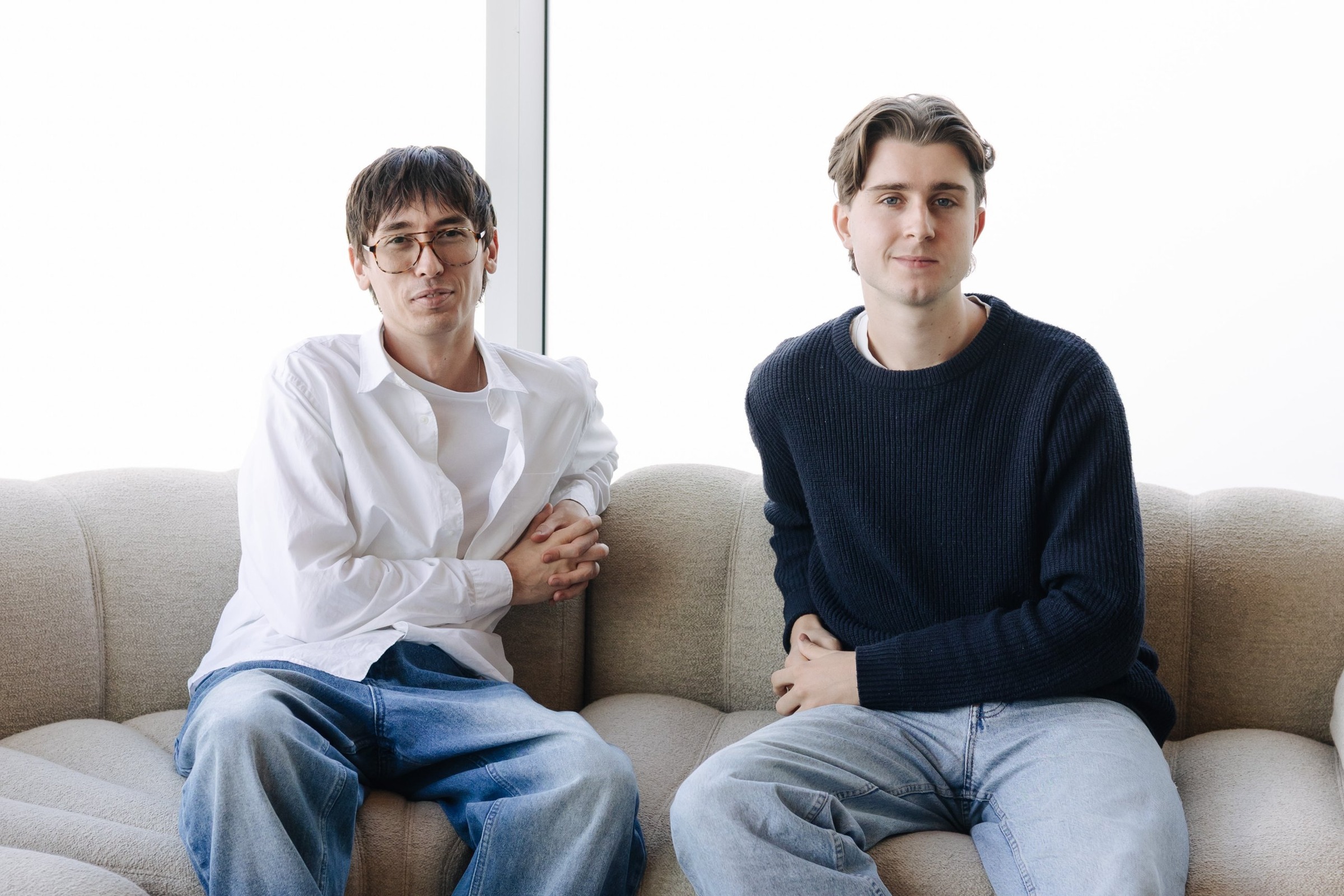
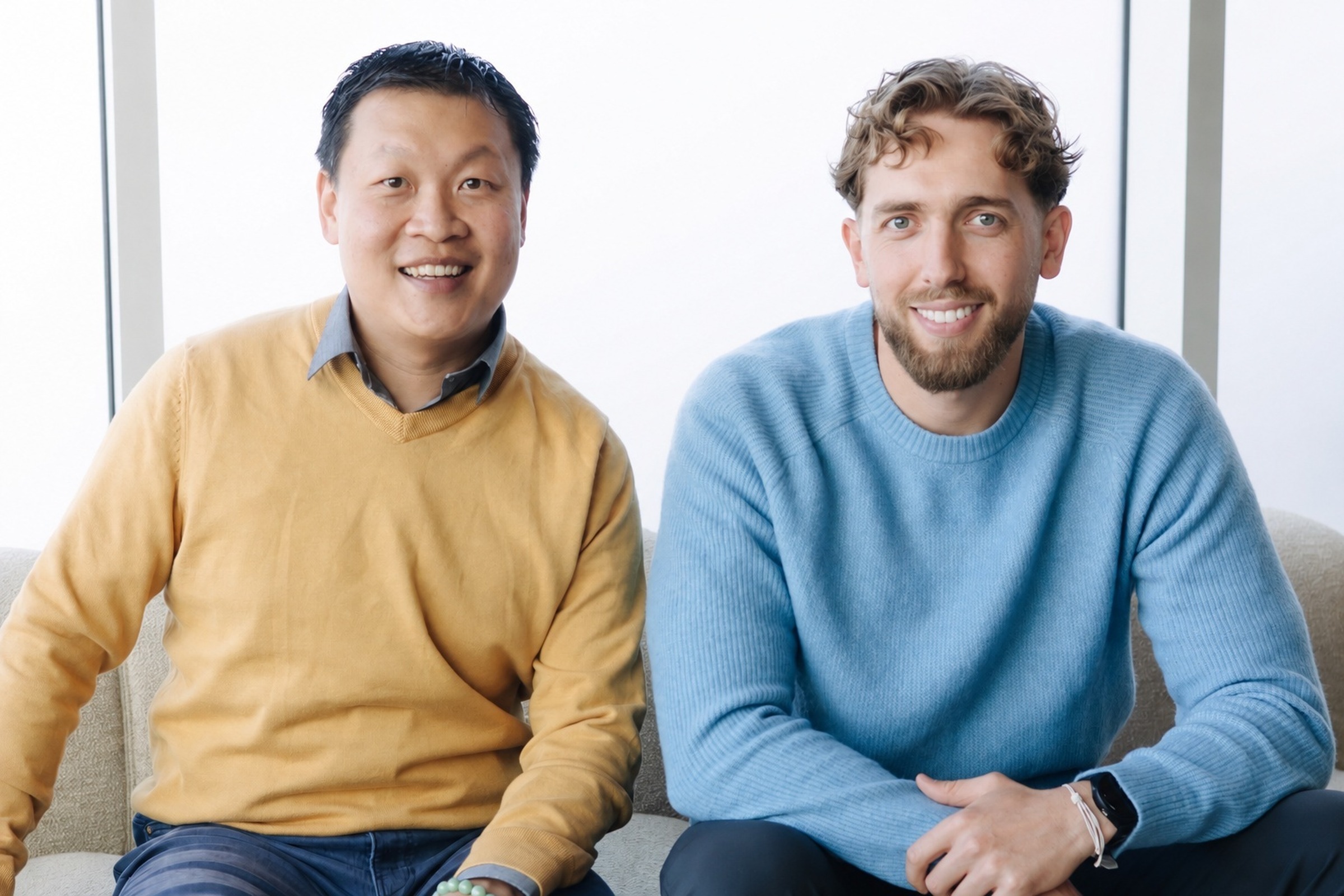
At Antler, we back exceptional founders from day zero. We're proud to partner with Lewis and Soon as they make the physical world queryable.
ANTLER RESIDENCY —LAUNCH YOUR STARTUP
Antler backs exceptional founders to go further, faster.